
A gritty crime epic that redefined open worlds
Grand Theft Auto IV marked a major tonal shift for Rockstar Games, moving away from exaggerated satire toward a darker and more grounded portrayal of crime and consequence.
Top Recommended Alternative

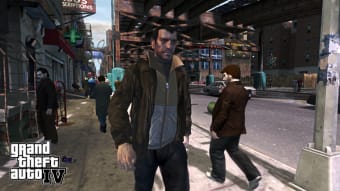
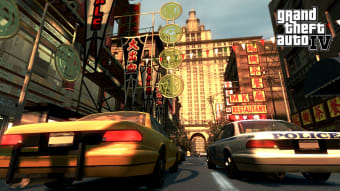
Set in Liberty City, a reimagined version of New York, Grand Theft Auto IV follows Niko Bellic, an immigrant searching for the American Dream while being pulled deeper into organized crime. From the opening hours, the game establishes a serious mood built on realism, moral ambiguity, and emotional weight. Its strongest defining trait is grounded storytelling, which immediately sets it apart from earlier entries.
Narrative depth and character driven storytelling
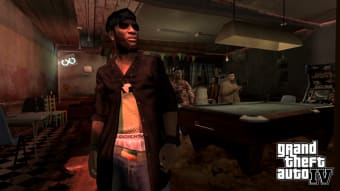
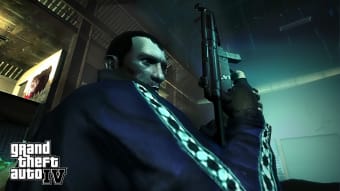
Grand Theft Auto IV delivers one of the most mature narratives in the franchise. Niko Bellic is a deeply conflicted protagonist, shaped by war, loss, and disillusionment. His adventure through Liberty City focuses less on power fantasy and more on survival and moral compromise. This emphasis creates emotionally driven storytelling, where characters feel human rather than cartoonish. However, the serious tone may not appeal to everyone.
Supporting characters are equally memorable, from Roman’s relentless optimism to morally corrupt figures who exploit Niko’s desperation. Missions often explore themes of betrayal, loyalty, and the cost of ambition. Choice-driven moments exist, allowing players to decide the fate of certain characters. While impactful narratively, these choices have limited gameplay consequences. Although choices do not effectively change the narrative, decisions feel meaningful emotionally but not mechanically transformative.
Gameplay mechanics and realistic overworld
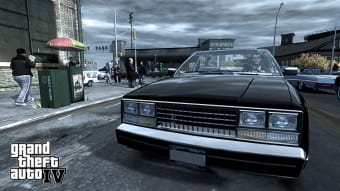
Grand Theft Auto IV emphasizes realism across movement, combat, and driving. Characters have weight, vehicles handle with inertia, and gunfights feel deliberate rather than arcade like. This contributes to realistic gameplay feel, making the world more believable. Driving is one of the most divisive elements. Cars slide, brake slowly, and require careful handling. While immersive, this can frustrate players accustomed to snappier controls. Combat benefits from improved cover mechanics and enemy AI compared to earlier entries.
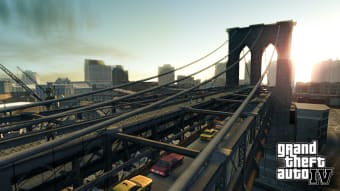
Liberty City is one of the most detailed urban environments Rockstar has ever created. Streets feel crowded, neighborhoods feel distinct, and ambient sounds reinforce realism. The city’s verticality and density support urban immersion, making exploration rewarding even without structured missions. Visually, it holds up surprisingly well thanks to its art direction and lighting. Character animations and facial expressions support emotional storytelling, reinforcing visual storytelling strength. However, side activities are limited compared to later entries.
The Complete Edition
If you are a newcomer to the game or a returning player want to go back for more, Grand Theft Auto IV - The Complete Edition is the one you want to check out for the definitive experience. It includes the base game, as well as all Grand Theft Auto: Episodes from Liberty City, the compilation of its two expansion packs.
They are The Lost and Damned and The Ballad of Gay Tony, and they introduce plenty of new missions, weapons, vehicles, and side activities to experience, set in Liberty City and Alderney. What’s more, everything is set concurrently to the events of the base game and directly intertwines with the main narrative of GTA IV’s main protagonist and lead, Niko Bellic.
A somber landmark in open-world design
Grand Theft Auto IV stands as a bold reinvention of the series, trading excess for emotional weight and realism. Its grounded storytelling, mature themes, and richly detailed Liberty City create an experience that feels purposeful and reflective. While its heavy tone, realistic driving, and limited side content may not suit everyone, the game’s narrative ambition and immersive world design cement it as one of Rockstar’s most impactful titles.